Airlines operations :
India, one of the fastest-growing aviation markets in the world, has witnessed rapid expansion in both domestic and international air travel over the last two decades. With a rising middle class, increased tourism, and a strong push for regional connectivity by the government, the aviation sector has become a key driver of economic growth. Several domestic and international airlines operate in India, offering services ranging from budget-friendly options to premium luxury experiences.
1. IndiGo (InterGlobe Aviation Ltd.)
- Founded: 2006
- Headquarters: Gurugram, Haryana
- Type: Low-cost carrier
IndiGo is India’s largest airline by market share and fleet size. Known for its punctuality, affordable pricing, and efficient service, IndiGo has consistently led the domestic aviation market. It operates over 1,900 daily flights to more than 100 destinations, including international routes across Asia and the Middle East.
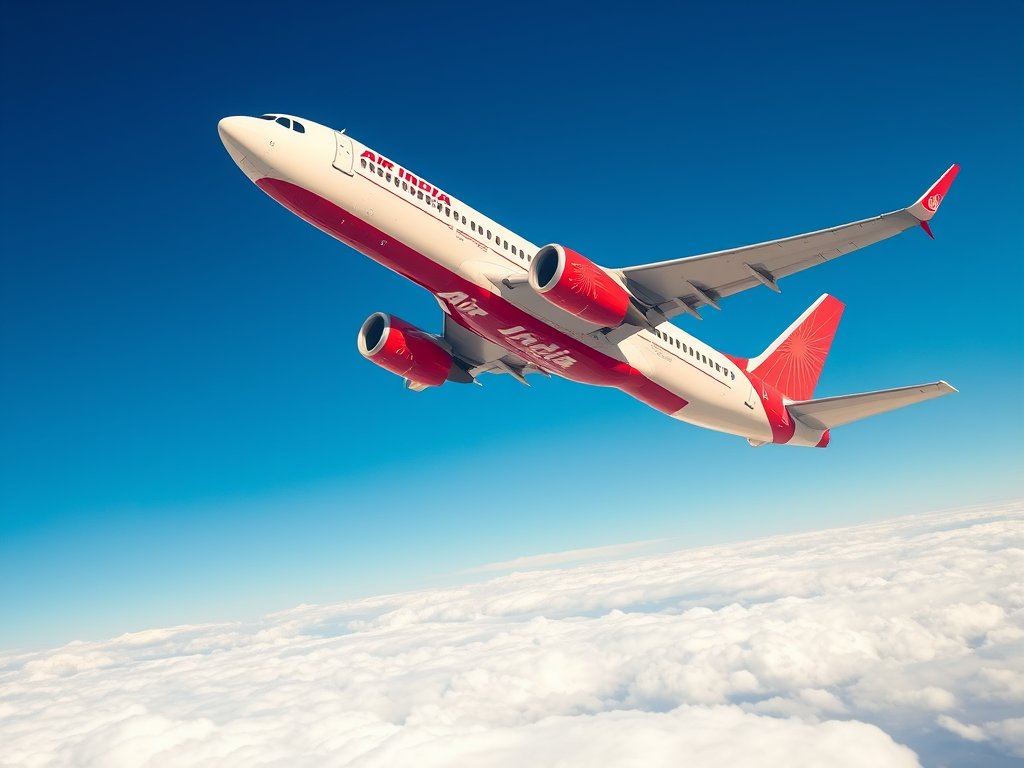
2. Air India
- Founded: 1932 (as Tata Airlines)
- Headquarters: New Delhi
- Type: Full-service carrier
Now under the Tata Group after its 2022 privatization, Air India is undergoing a major transformation. It merged with Vistara in early 2024, making it a stronger player in both domestic and international markets. The airline is expanding its fleet with new-generation aircraft and enhancing its onboard services to compete with global giants.
3. Vistara (Merged with Air India)
- Founded: 2015
- Type: Full-service carrier
Vistara, a joint venture between Tata Sons and Singapore Airlines, was known for its premium offerings and customer service. With its merger into Air India, its routes and fleet have been absorbed into the larger airline’s operations, strengthening Air India’s position as a full-service international carrier.
4. SpiceJet
- Founded: 2005
- Headquarters: Gurugram, Haryana
- Type: Low-cost carrier
SpiceJet has faced financial and operational challenges in recent years but continues to operate several domestic routes and a few international ones. The airline is working on restructuring and regaining market confidence.
5. Akasa Air
- Founded: 2021
- Headquarters: Mumbai, Maharashtra
- Type: Ultra-low-cost carrier
One of India’s newest entrants, Akasa Air began operations in 2022 and has rapidly expanded across domestic routes. Backed by investor Rakesh Jhunjhunwala (who passed away in 2022), the airline aims to offer affordable air travel with modern aircraft and a fresh brand image.
6. AirAsia India (Now a part of Air India Express)
- Founded: 2014
- Type: Low-cost carrier
Previously a joint venture between Tata Sons and Malaysia’s AirAsia, AirAsia India merged into Air India Express as part of the Tata Group’s aviation consolidation. It now contributes to Air India Express’s network, focused on short-haul international and domestic low-cost routes.
7. Air India Express
- Founded: 2005
- Headquarters: Kochi, Kerala
- Type: Low-cost international carrier
A subsidiary of Air India, now under Tata, Air India Express focuses on cost-effective flights to the Middle East and Southeast Asia, targeting the Indian diaspora. It has also taken over domestic operations previously served by AirAsia India.
8. Alliance Air
- Founded: 1996
- Headquarters: New Delhi
- Type: Regional airline
Formerly a subsidiary of Air India, Alliance Air now operates independently under government ownership. It mainly serves Tier-2 and Tier-3 cities under the government’s UDAN (Ude Desh ka Aam Nagrik) scheme to promote regional connectivity.
International Airlines in India
In addition to Indian carriers, numerous foreign airlines operate flights to and from India, including:
- Emirates
- Qatar Airways
- Singapore Airlines
- Lufthansa
- British Airways
- Turkish Airlines
- Etihad Airways
- Thai Airways
These carriers primarily connect Indian cities to major global hubs in Europe, North America, the Middle East, and Southeast Asia.
Future Outlook
India’s aviation sector is poised for significant growth, with government initiatives such as:
- Expansion of airport infrastructure (e.g., new Noida International Airport)
- Increased private sector participation
- Push for sustainable aviation (electric aircraft, SAF)
With a youthful population and increasing demand for travel, India is on track to become the third-largest aviation market globally by the end of the decade.
 business works
Leave a comment