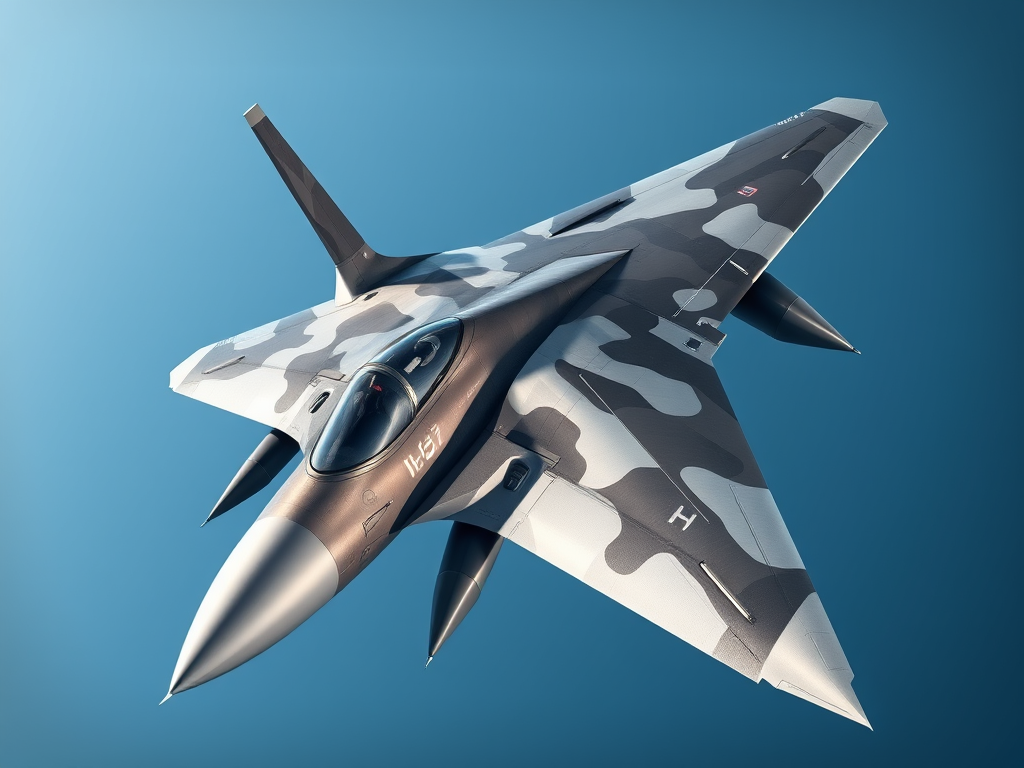
Russia has proposed a significant defense partnership with India, offering to co-produce its advanced Su-57E fifth-generation stealth fighter jet using India’s existing infrastructure for the Su-30MKI. This proposal, made by Rosoboronexport ahead of the Aero India 2025 exhibition, aims to bolster India’s air combat capabilities amidst regional security challenges and a diminishing fleet of fighter squadrons .
Key Aspects of the Su-57E Proposal
- Local Production: Russia suggests utilizing Hindustan Aeronautics Limited (HAL) facilities, which currently assemble the Su-30MKI, to manufacture the Su-57E. This approach aligns with India’s “Make in India” initiative and could commence as early as this year .
- Technology Transfer: The deal includes the transfer of critical technologies, such as advanced avionics, AESA radars, artificial intelligence systems, and weapon integration. This support extends to India’s indigenous Advanced Medium Combat Aircraft (AMCA) program, enhancing self-reliance in defense manufacturing .
- Strategic Timing: The offer coincides with President Vladimir Putin’s planned visit to India in early 2025, during which a government-to-government deal for 60–70 Su-57E jets is expected to be discussed. This move aims to address India’s urgent need to replenish its fighter squadrons .
- Competitive Pricing: The Su-57E is anticipated to be more cost-effective than alternatives like the French Dassault Rafale, making it an attractive option for India as it seeks to modernize its air force without excessive expenditure .
Context and Considerations
India’s Air Force currently operates 31 squadrons, below the sanctioned strength of 42, and faces challenges from neighboring countries deploying advanced aircraft like China’s J-20 and J-35A. The Su-57E could serve as an interim solution while India develops its indigenous AMCA, expected to enter production around 2034–35 .
Additionally, the United States has proposed the F-35 Lightning II to India, but the Indian government has not indicated a preference for either aircraft, reflecting the complex dynamics in India’s defense procurement strategy .
In summary, Russia’s offer to co-produce the Su-57E in India presents a strategic opportunity to enhance India’s air combat capabilities while fostering technological self-reliance. The decision will depend on India’s assessment of its defense needs, cost considerations, and geopolitical relationships.
 business works
Leave a comment